In Crete, a three-thousand-year-old olive tree still bears fruit. Its trunk may die, but its root lives on. The tree the global press keeps returning to is, in the end, telling our story.
In the northwest of Crete there's a small village called Vouves. In the middle of it stands an olive tree, its trunk so twisted and hollowed out that the inside is almost entirely gone. It still bears fruit every year. No one knows its exact age, but scientists put it well over three thousand years old. Which means this tree was already there before Homer wrote the Iliad.
For the past few years the olive tree keeps showing up in the international press. Last year Forbes wrote about a four-thousand-year-old tree that watched Alexander's empire rise and fall. In 2024 a scientific journal, Dendrochronologia, reported that carbon dating had put an olive tree in Lebanon at over eleven hundred years old. They're all struck by the same thing, really: this tree doesn't count time the way we do.
It Doesn't Actually Die
The secret isn't in what you can see.
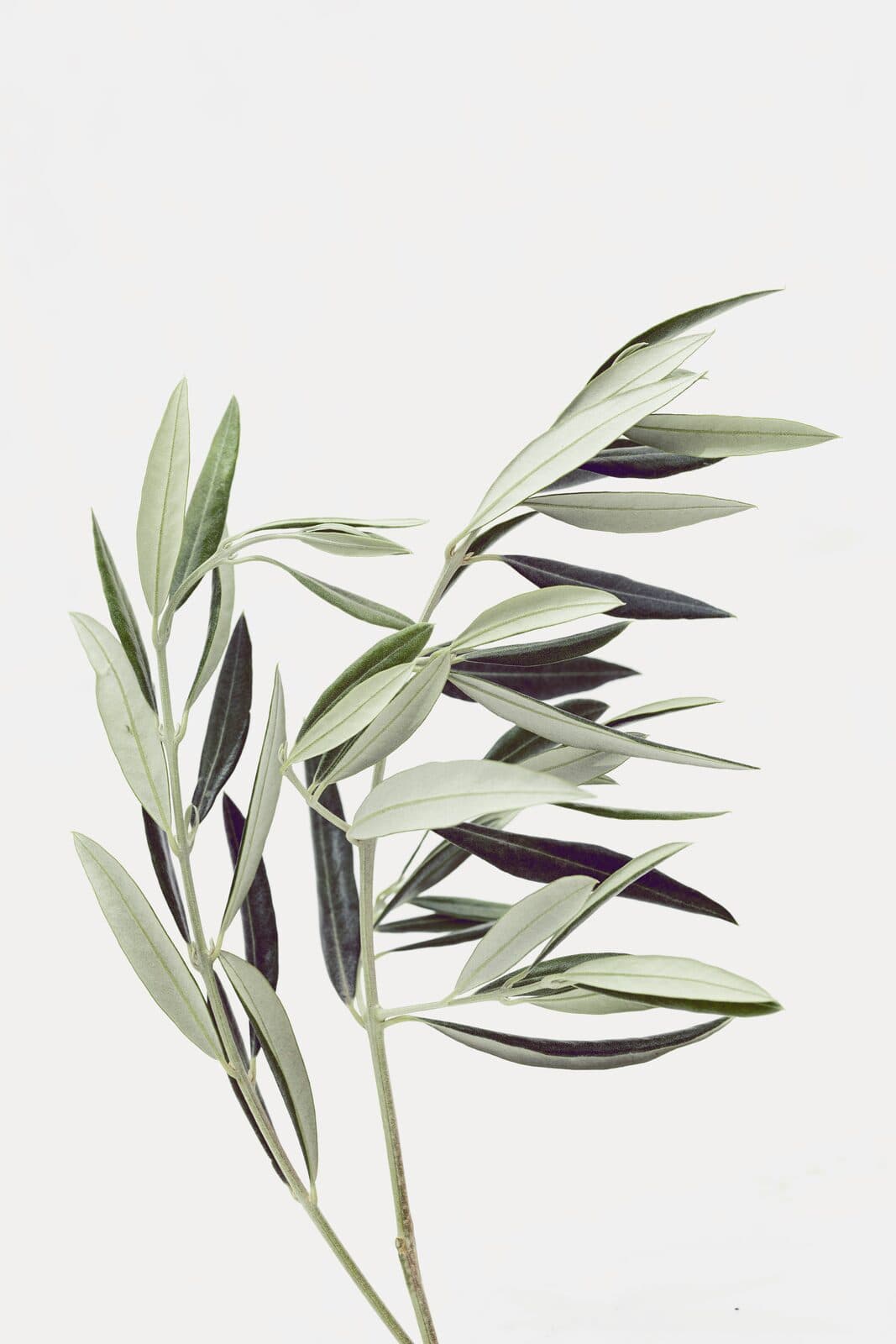
Cut an olive tree's trunk, burn it, let drought scorch it — as long as the root stays alive, new shoots push up from the base within a season. The trunk goes, the tree stays. That stubborn root underground keeps raising the same tree, over and over, for thousands of years.
That is why the oldest groves in the Mediterranean survived fire, war and drought alike. The tree is in no hurry. It grows slowly and pours its energy into its roots rather than its height. You won't see much happening above ground; the real work always goes on below.
Our name isn't "roots" by accident. The whole SOBROOTS story begins right there. And honestly, it's hard to find anything that explains what a root means better than an olive tree.
Athena's Olive Branch
The olive's place in human memory is at least as old as its roots.
The ancient Greeks told a story: Athena and Poseidon compete for the city of Athens. Poseidon strikes the rock with his trident and water springs up. Athena plants an olive sapling in the soil. The Athenians weigh the two gifts and choose the olive. Because for them the olive was never just a tree; it was oil, light, food — the promise of an abundance that would last for years.
From that day the olive branch became the symbol of peace. A people used this tree to say they had chosen patient abundance over brute force.
The Olive Is in No Hurry
An olive sapling makes its owner wait years. Its first real fruit takes a long time; reaching full yield takes decades. But once it takes hold, it gives with a generosity that outlasts a human life. In the Mediterranean the olive was seen less as food than as inheritance: someone sits in the shade of a tree another planted, and cooks with its oil for a grandchild's grandchild.
This is a sense of time completely at odds with today's "buy now, use it up, replace it next season" logic. Maybe that's exactly why it matters again.
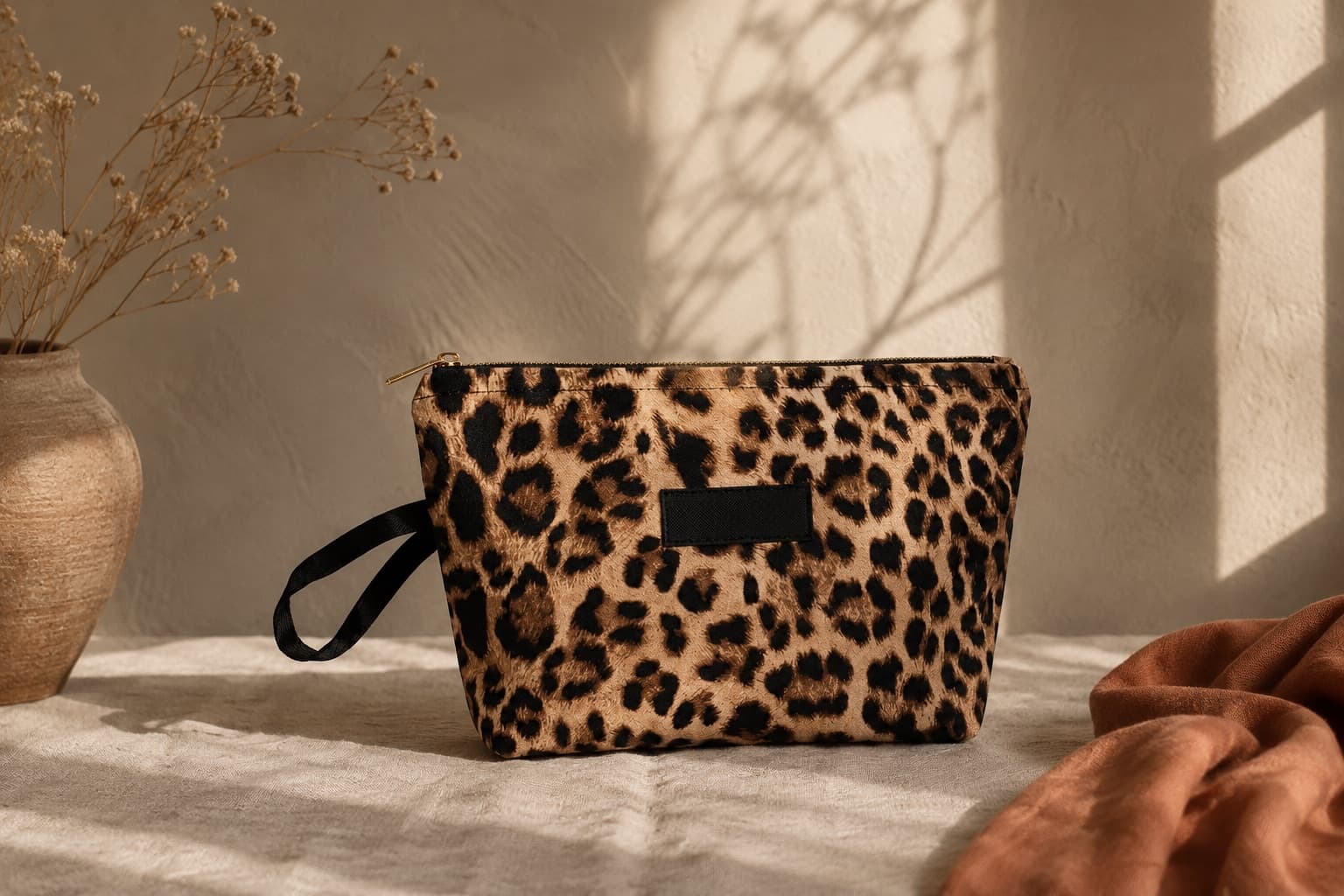
The reason we produce in small numbers comes from the same place. We think of a bag not for one season but for ten years. Lora's waxed canvas deepens over time; Sofia's cotton-linen blend softens a little with every wash. We don't count these as flaws. Like the hollow trunk of an olive tree, they are marks left by passing time. Years don't ruin a piece; they give it a past.
On This Land
This tree is not far from us. Türkiye is home to some of the oldest olive groves in the world; along the Aegean and Mediterranean coasts, trees over a thousand years old still bear fruit. Almost everyone who grew up on this land has, somewhere in the back of their mind, an olive tree whose planting date no one remembers.
We looked from that same place when we founded SOBROOTS. Not a brand that grows fast and is forgotten fast, but one that takes root, deepens with time and ages alongside its owner. Trends come and go like seasons. The root stays where it is.
Carry Your Roots
Now the international press is rediscovering the olive tree. It puts three-thousand-year-old trees on its front pages, writes about how the root outlives death, and remembers that abundance lives in patience, not speed.
We've known this since the day we chose our name.
A bag, like a tree, truly becomes yours the more you carry it. It shows the marks of years, but those marks don't cheapen it; on the contrary, they add a story. What has roots doesn't wear out — it matures.
Carry Your Roots.
Cover photo: Arvydas Baltinas / Unsplash