Chanel, Dior, Hermès — this season's biggest houses are presenting bags that look lived-in, imperfect, used. Fashion press calls it undone luxury. We've always called it Tuesday.
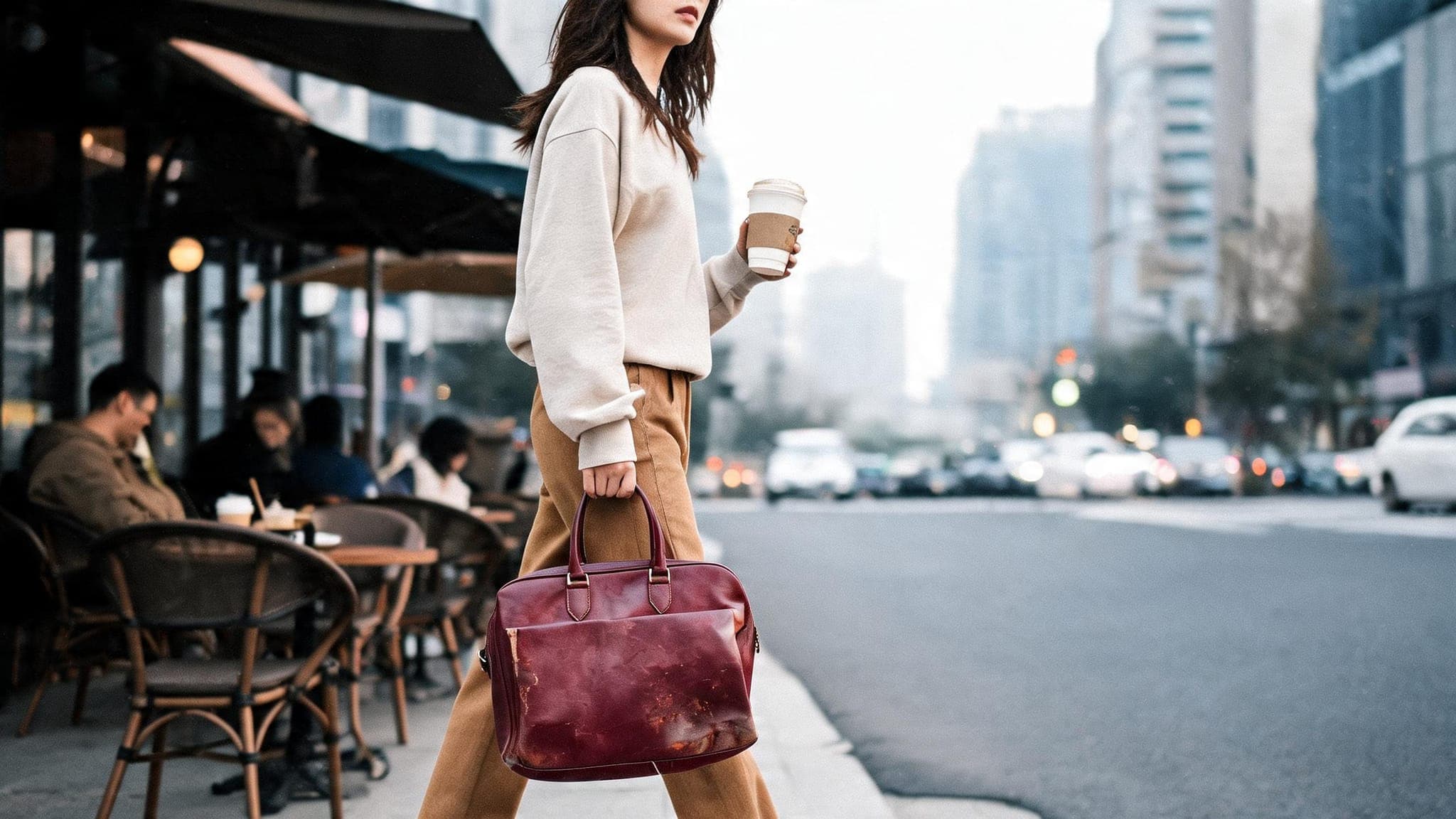
Something strange happened on the runways this season. Who What Wear declared it the biggest luxury trend of 2026: bags no longer need to look perfect. Chanel's iconic 2.55 appeared half-open, curved, as if pulled from a bag just moments before. Dior's Cigale swings from a single strap, flap undone. Loewe Amazona, Fendi Peekaboo, Hermès Birkin — all doing the same thing: showing the bag not as an object to be preserved, but as something that has been lived in.
We weren't surprised.
What Changed on the Runway?
The luxury language of the previous decade was clear: polished, seamless, fresh from the boutique. This season, that language inverted. Designers are now presenting bags not in their "day one" condition, but in a "carried a thousand times" state. The contents show. The structure softens. The corners give. Fashion press has a name for it — undone luxury.
This isn't a decision from a single brand. Multiple major houses, independently, moved in the same direction. Which means this isn't a temporary window-dressing — it's the signal of something deeper.
The Era of Performing Perfection Is Over
Industry analysts read this as the natural continuation of quiet luxury: craft over logo, scarcity over abundance, story over trend. A bag is no longer measured by how polished it looks, but by how many years it can be carried.
This changes the calculus: pieces made quickly, discarded a season later, lose value. Pieces made in small numbers, that age alongside their owner, gain it.
We've Always Known This
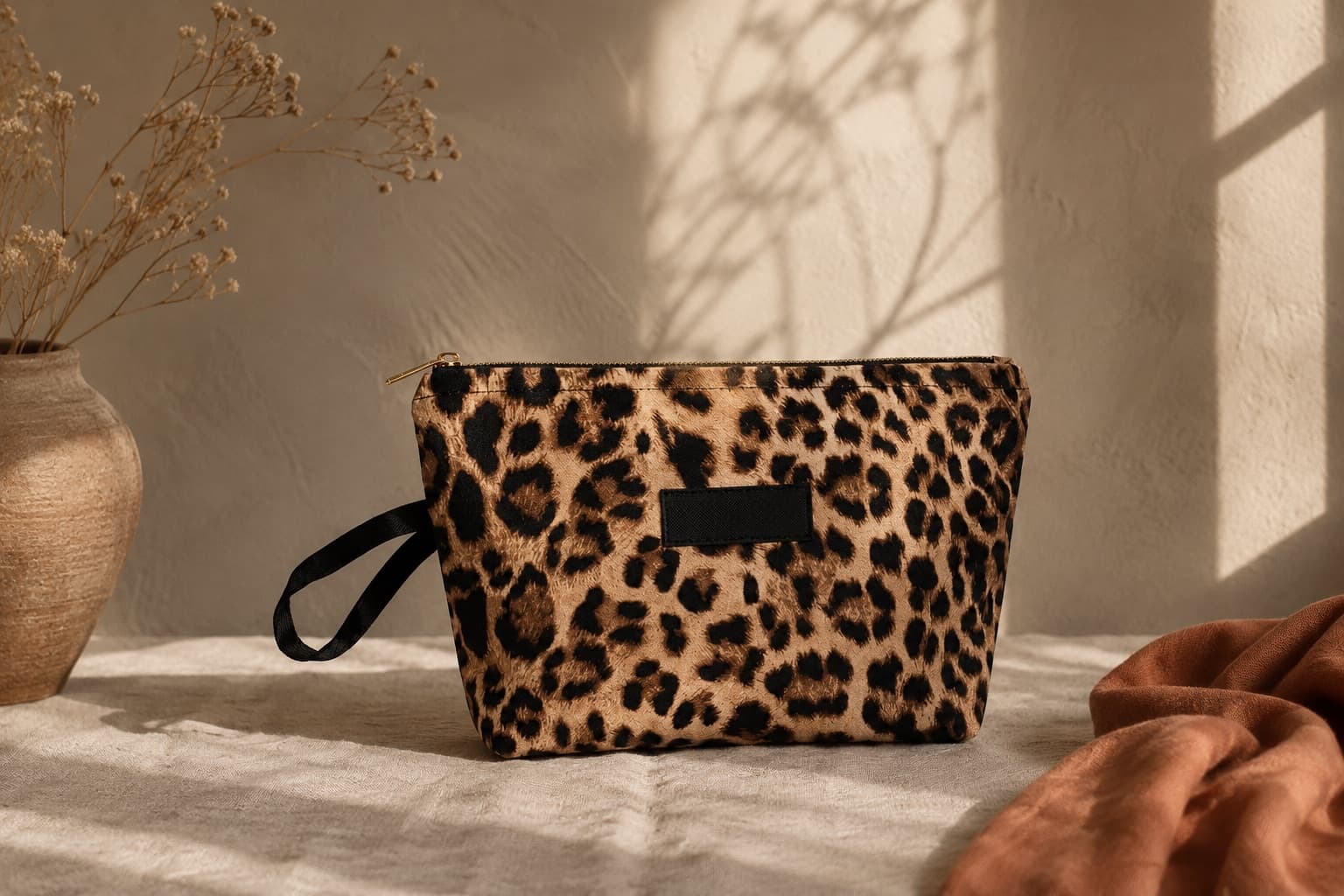
At SOBROOTS, the care note for Lora reads: "The natural marks that form over time are part of the product's character — not a flaw." We've been saying this for years, not because fashion magazines discovered it this season.
The logic is simple. A bag carried for ten years shows those ten years. The corners soften. The fabric deepens. The canvas creases. We've always seen it this way — the fabrics in our grandmothers' trunks were the same, and no one called them broken. A bag that stays plastic-bright usually ends up in a closet within a year. Ours don't, because the more you carry them, the more they become yours.
My Grandmother's Machine
I know this best from my own past. Growing up on Kınalıada, I used to wake to the sound of my grandmother's sewing machine. That's where I learned: handcraft grows more beautiful with time — it doesn't age out quickly. That machine still runs. Still makes the same sound. The years didn't break it. They gave it a history.
The decision I made when building SOBROOTS comes from that same place: I will not make a bag I wouldn't carry with love. We produce in limited numbers because we want each piece to carry its own story. Not because it's trending — because that's what we believe.
What Story Does Your Bag Carry?
Now the international fashion press is writing that bags no longer need to look perfect. Good. It means eventually everyone understands: if a bag can age alongside its owner, that is precisely what luxury is.
Carry Your Roots.